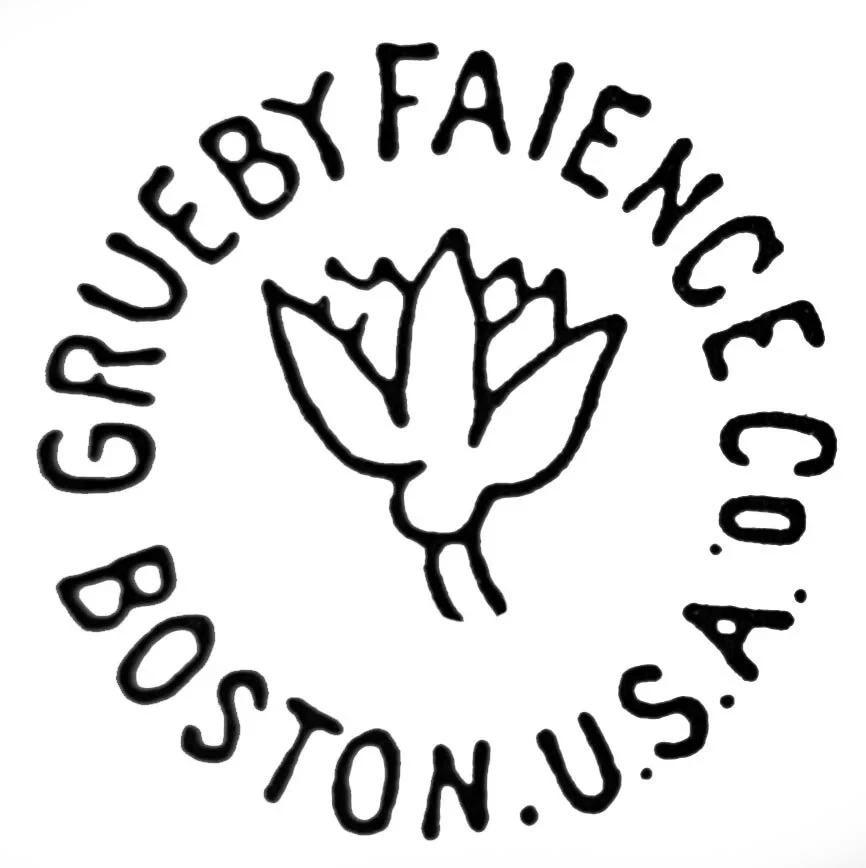
c. From 1898
Grueby pottery
FAIENCE CO. is the earlier lotus wording; it was still used after POTTERY appeared.
A closer look at the details
Antique marks include factory names, assay devices and artist signatures on porcelain, sterling, costume jewelry and blown glass.
01 / UNDER THE LENSMeissen porcelain marks →
Crystal is a type of glass: traditional lead crystal contains lead oxide, while lead-free crystal uses a different composition. European lead-crystal categories start at 24% lead oxide, with full lead crystal at 30%; a maker’s product description identifies which material a particular piece uses.
Explore marks →Jewelry & gold585 means 585 parts gold per thousand, or 58.5% gold: the millesimal standard used for 14-karat gold. It can appear on yellow, rose or white gold; GF, GP or HGE beside a karat number instead describes a gold layer over another material.
Explore marks →SilverSTG abbreviates sterling silver, the alloy containing at least 92.5% silver. STG SIL, STG SILVER, STER, STERLING and 925 describe that silver standard; EPNS instead identifies silver plating over nickel silver.
Explore marks →Jewelry & gold750 is the gold fineness mark for 750 parts per thousand, or 75% gold, equivalent to 18K or 18CT. Yellow, rose and white gold can all carry it because the number measures gold content rather than colour.
Explore marks →GlassUranium glass typically fluoresces a strong, bright green under ultraviolet light; examine the glass in a darkened setting and compare its colour in ordinary light. Manganese can give a weaker greenish-yellow response and lead an icy blue, so the colour of the glow matters.
Explore marks →GlassA pontil mark is the scar left on a glass base when the holding rod, or punty, is detached after finishing the vessel. It can be rough, ring-shaped, iron-stained, ground or polished, depending on the attachment and finishing process.
Explore marks →Compare pottery and porcelain marks by maker, country and symbol.
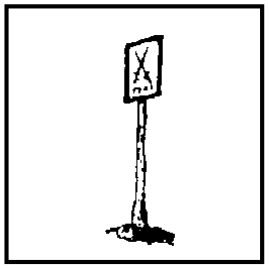
c. From 1898
FAIENCE CO. is the earlier lotus wording; it was still used after POTTERY appeared.
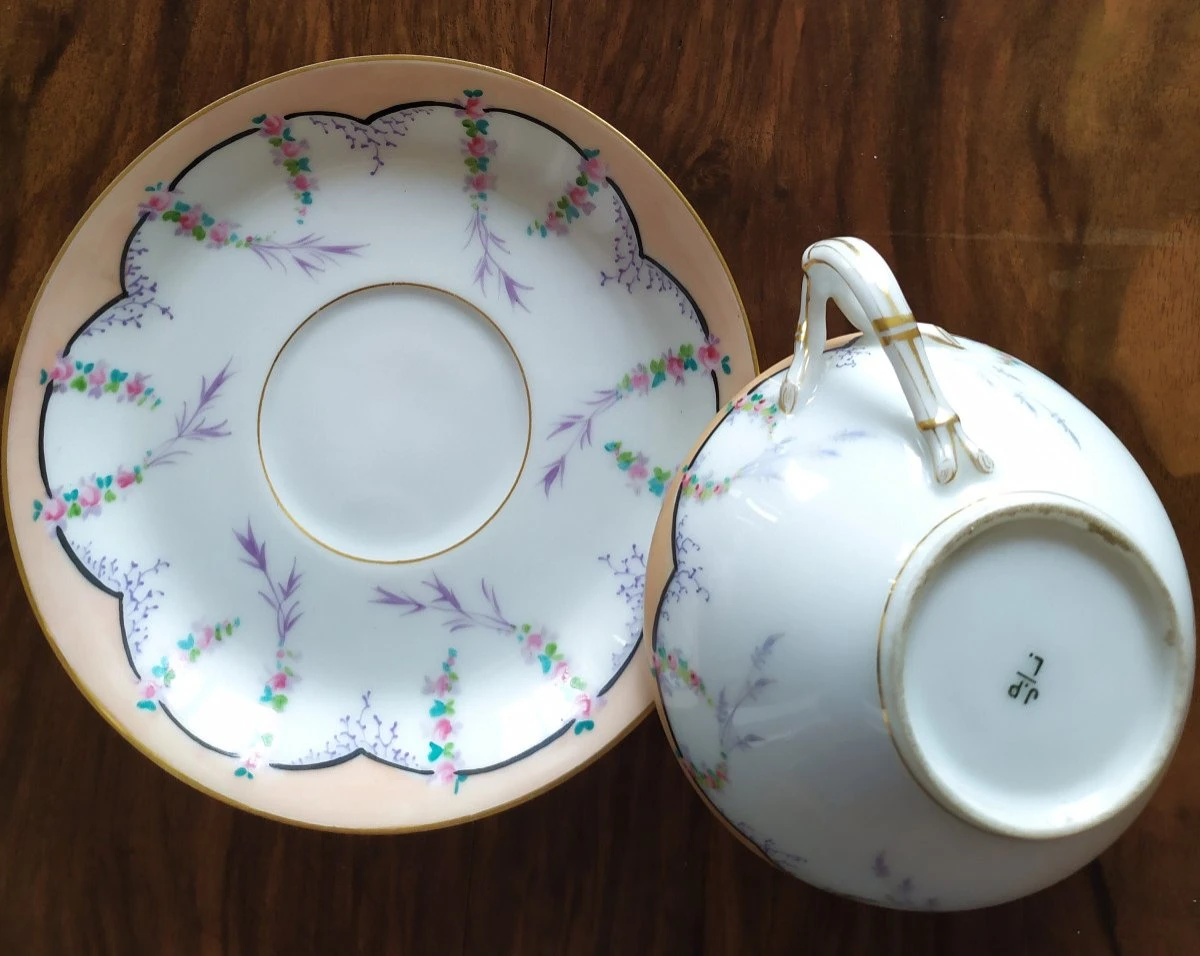
From 1852
The dividing line was introduced in 1852; the absence of FRANCE alone does not date a mark to before 1891.
Read the words, numbers and symbols in a silver hallmark.
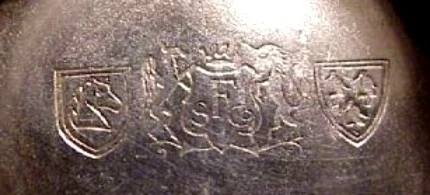
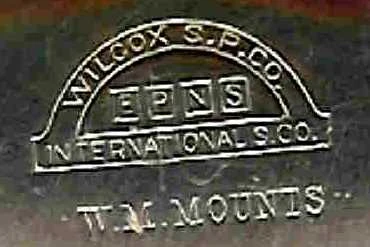
From 1921
Half-circle design introduced in 1921, registered 1923; INTERNATIONAL S. CO. distinguishes the parent-company phase.
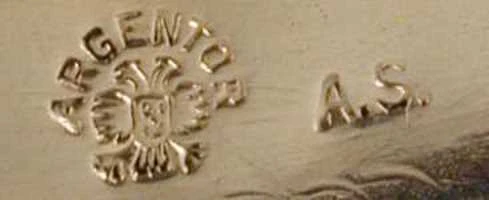
Undated
The eagle replaces the triangle cluster; A.S. is separate from the name and emblem.
Start with the stamp: a number, a few letters or a small symbol.
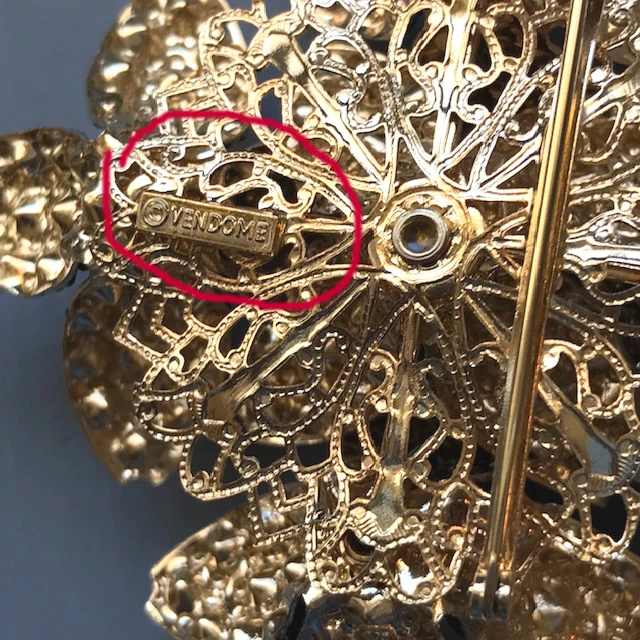
From 1955
Capital-letter rectangular plaque on the filigree back; distinct from the mixed-case hook signature.

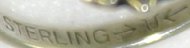
Compare glass makers’ marks, signatures and paper labels.
Read maker names, logos and material marks on antique objects.
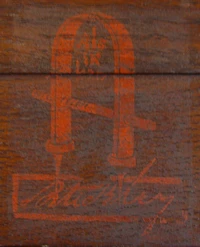
c. To 1903
Red compass stands above an outlined rectangular signature panel.
Undated
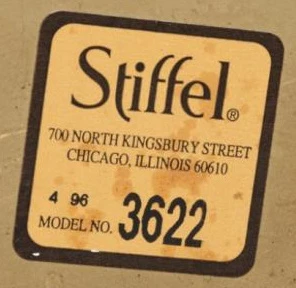
Rounded rectangular black border, Chicago street address and model fields. The visible 4 96 code belongs to this example.
Undated
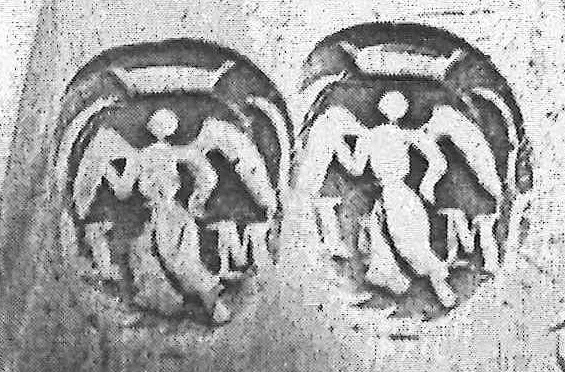
Broad wings, large separate crown and M beside the lower body. Two impressions on the handle are the same mark.